
Because of the Bank Holidays at the beginning of May in Poland and the 70th anniversary of taking Monte Cassino by Poles today I’m going to serve you a bit of history.
As you probably know, tens of thousands of civilians left USSR with the Anders Army, including many children and orphans and something had to be done with them. Civilians were deployed in such exotic places as Iran (at the Sikorski Museum in London you can see a Persian rug, woven by Polish orphans in 1943 in Isfahan – a gift for General Anders), Africa, India and… Mexico. And the Mexican chapter will be described today.
The idea came from the Brits and talks with the governments of Guatemala and Mexico yielded results in the form of consent to the adoption of a total of 24,000 Poles. Exchange of notes between the governments of Poland and Mexico occurred during the visit of Prime Minister Sikorski in Mexico at the end of 1942. Unfortunately, the set up of a camp in Guatemala did not happen. All costs were to be covered by the Polish Government (credit granted by the U.S. government), which silenced the few protests in the Mexican press.
Logistical problems resulted in a decrease of a “Polish contingent” to 5-10 thousand. After several months of searching, the choice fell on the hacienda Santa Rosa, located near the city of Leon.
In May 1943 the USS “Hermitage” set out from Karachi, with the first transport of several hundred people on board. On the way to the west coast of USA , among others it docked to Wellington in New Zealand, where the Poles aroused considerable public sensation which resulted later in a large group of Polish children sent to New Zealand.
On 24 June 1943 the ship arrived in Los Angeles and refugees had been deployed in refugee camps around the city and gradually came to be transported by train to Leon, where the first batch arrived on July 1. In total, in the first transport arrived 706 people.
The second transport sailed to America in Autumn of 1943 on board of the the same ship. The second group consisted of 726 people. In total, 574 children arrived. Further shipments did not happen.

That’s how Santa Rosa used to look
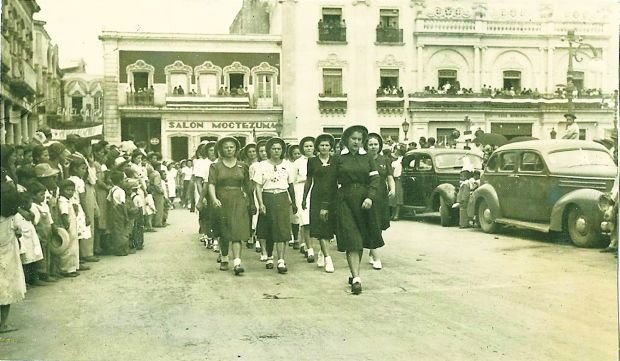
Any trips to the town were always well organized
Administration of the estate was divided into specialized departments, order guarded by Security Guards, even a Civil Court was created.
Living conditions were difficult at the beginning, renovations were not completed yet, although were progressing and conditions gradually improved. There could be no Polish camp without education – already on 16 August 1943 the Public School in Santa Rosa started its first school year. Later on the higher education courses, vocational school and training courses had been created. As time went young people started attending school in Leon with the Spanish language, which was to help young people in the future. Later Felician Sisters arrived in the hacienda and they started work in an orphanage and as teachers.
With the end of the war came the hard times. After the United States and England, Mexico was the first country in Latin America to withdraw its support for the Polish Government in London. Poles from Santa Rosa came from the borderlands, so return to the country would mean for them in reality a trip into the unknown. In 1946 the first group of orphans was sent to the United States, where they could count on the support of the Polish diaspora. About 150 people decided to go to Poland, the rest moved to different countries around the world.
The final liquidation of the camp took place on May 16, 1947, and the rest of the children and teenagers were taken to an orphanage in Tlalpan.
I decided to visit Santa Rosa on the way from Guadalajara to Guanajuato. From the bus station I took a taxi and the driver waited for me while I went to the old hacienda, taking photos and arousing curiosity among the children who cried “Hello”. The only remaining trace after the camp are two plaques and scattered all over the world Poles from Santa Rosa and their descendants. History of Santa Rosa and other Polish camps around the world is beautiful and sad at the same time, and it is our duty to remember the fate of our countrymen.
Special thanks to Joanna Matias for tips and advice. Below are some photos from the collection of the author (source of the images posted above: internet).
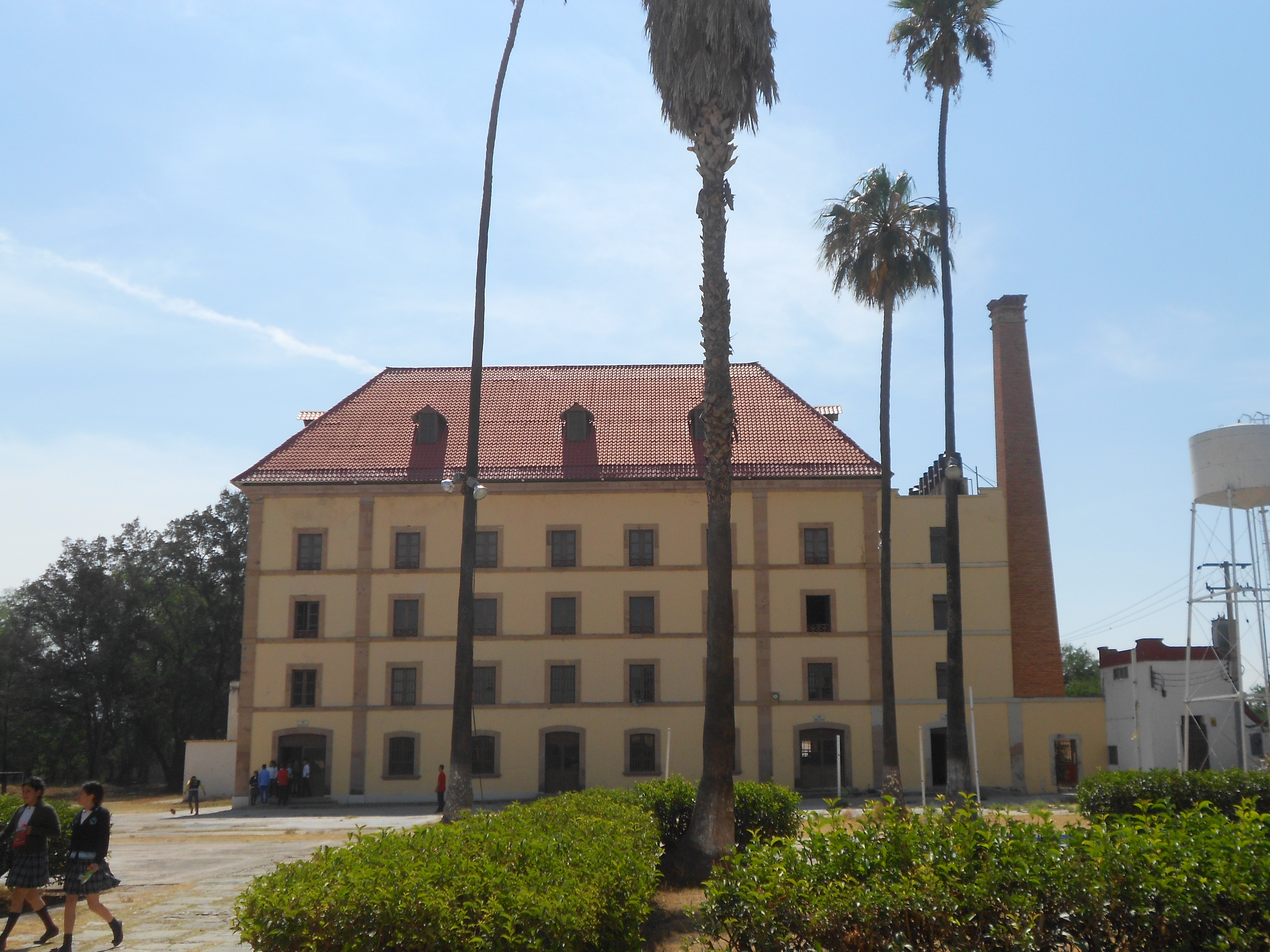
That’s how the main building looks today

Kids were quite excited 🙂
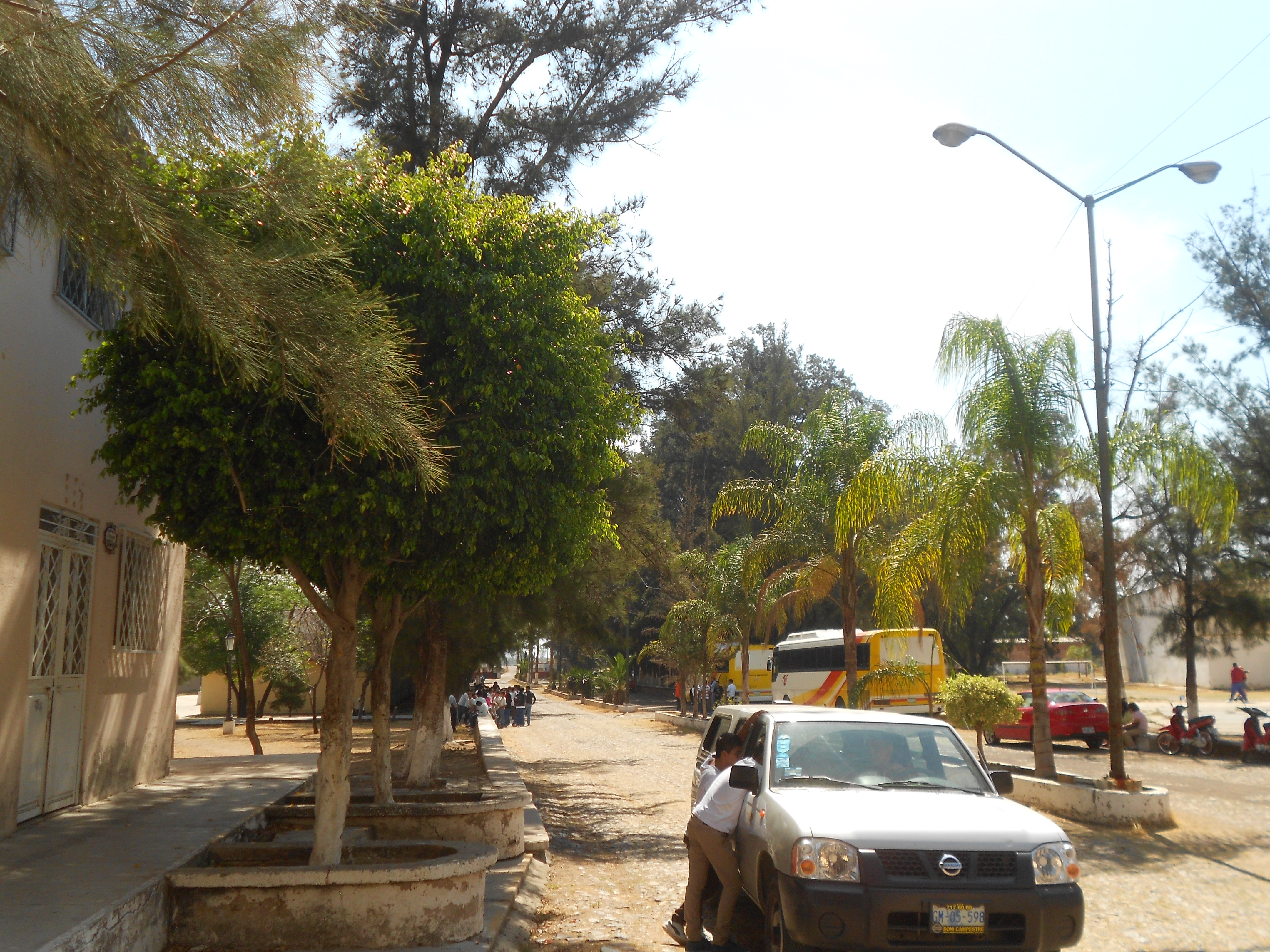
The main alley

View at the church
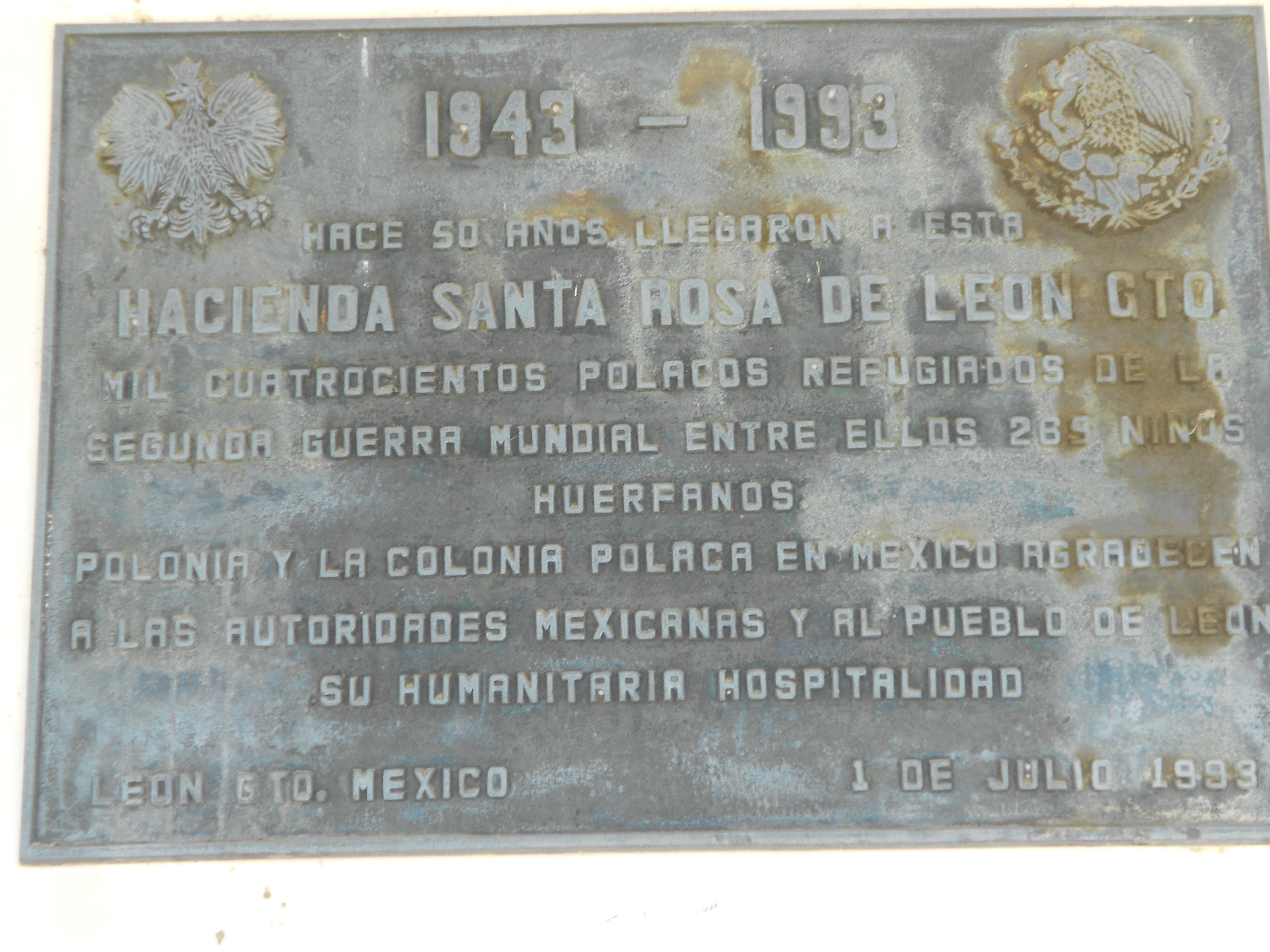
Plaque commemorating 50th anniversary of creating the camp

And one placed on 70th anniversary
Bibliography:
J. Wróbel, Uchodźcy polscy ze Związku Sowieckiego 1942-1950, Łódź 2003, 311 pages.

 Polish traces around the world
Hi, I am in mexico next month and i wanted to visit Santa Rosa. Although its always described as being in Leon I suspect it is on the outskirts. i have searched google for a definitive location but I cant find anything. Could you help me with a precise location please?
Hey, I’m more than happy to help. You’ll find all the details here: http://www.ninosdonbosco.org/ maybe drop them an email in advance, preferably in Spanish. I just took a cab and showed up there 😊
Thank you for telling this story. So many Poles that lived through this, did not talk about it.
It’s the least I can do. Sadly, so many of them left Siberia with PTSD, which apparently can also affect 2nd and even 3rd generation. And even though some of them did talk about that hell on earth and even wrote a book, you’re right – for many of them it was too much.
Pingback: Deportations of Poles to Siberia in the 16th-20th centuries | Polish traces around the world