Posts Tagged With: Poland

Tengeru

Perhaps the most emotional moment in Africa for me was a visit to the Polish Cemetery in Tengeru. Tengeru lies near Arusha, about 20 minute drive (a little longer now with all the road works). From Arusha we took a matatu, a local means of transport which are small vans, richly decorated (often in the colours of the English football clubs) packed to the fullest. The system is simple but effective. Vans operate according to more or less specific routes. The crew consists of a driver and a “tout” who shouts the final destination, gets people in and takes the money. There are no specific stops, if you need to get off the matatu stops 🙂

img_2357

Photo’s a bit blurred but it was a bumpy ride

The pleasure of taking matatu will cost you 500 Tanzanian shillings per person which is about £0.18. From the junction with the main road we took a taxi for 10,000 shillings (less than £4) which was not an excessive price because the driver drove us to the cemetery, waited for us to see everything and drove us back to the intersection where again we boarded the matatu. We were a small attraction, being the only white people in the matatu.

Continue reading

Categories: RTW trip | Tags: , , , , , , , , , , , , | 84 Comments

Safari

The basis of the economy is agriculture but tourism revenues are an important source of income for the people and Government of Tanzania. Kenya is a role model when it comes to tourism. The infrastructure there is more developed almost everyone speaks English and Kenyans are proud to say that they are way ahead of Tanzania. And although the United Republic of Tanzania (the creation of Tanzania was the merger of the British colonies of Tanganika and Zanzibar, hence the name) is younger than Kenya only by one year (if anyone’s interested in the process of creating independent states in Africa, please refer to Ryszard Kapuscinski – it’s worth it!) Difference in progress between two countries is easily noticable.

Continue reading

Categories: RTW trip | Tags: , , , , , , , , , | Leave a comment

Marcin arrives in Africa…

In a series of short entries I’m going to describe my visit to East Africa. Although it wasn’t my first visit to Africa (I visited Morocco in 2013) this part of Africa stimulates all my senses. The Arabs, the Portuguese, the British left their mark on this part of the continent. This is where Speke, Livingstone and Stanley made their discoveries, Karen Blixen planted coffee (as you can see in Out of Africa). And besides at least a few people from my generation would love to follow in the footsteps of Tomek Wilmowski, the main character of a series of adventure books I read when I was much younger 🙂 

Continue reading

Categories: RTW trip | Tags: , , , , , , , , , , | 6 Comments

General Sikorski’s traces in London

A short post today. Recently we had a 73rd anniversary of Gibraltar aircrash. Three years ago I attended at the Polish Embassy in London a ceremony celebrating 70th anniversary of the catastrophe. Continue reading

Categories: Misc | Tags: , , , , , , , | 2 Comments

Polish submarine seamen in Sweden

Flag Day, May 3rd Constitution Day are a very good reason to write something. Today’s topic is not new, a doctoral dissertation has been written on the subject. Let me tell you then a few words about my short but eventful visit to Sweden.

I started my first visit to my girlfriend’s country in her hometown, Mariefred. Seemingly normal, sleepy town on the shores of Lake Mälaren but surprisingly with many Polish traces. Continue reading

Categories: Misc | Tags: , , , , , , , , , , , , , , , | 4 Comments

Swedish Christmas

Christmas is over… In order to keep the Christmas spirit for a little longer I’ll describe my holidays in Sweden. It was my first non-Polish Christmas and I have to admit I liked it.

Before you ask let me just say that there was no snow. It started to snow on the way to the airport and covered everything very quickly. My girlfriend comes from Mariefred, a small town 30 mins by train from Stockholm so it is in the south and apparently snow does not fall until beginning of year. But I guess it’s time to start the post. Continue reading

Categories: Misc | Tags: , , , , , , , , , | Leave a comment

Poles from Santa Rosa

Because of the Bank Holidays at the beginning of May in Poland and the 70th anniversary of taking Monte Cassino by Poles today I’m going to serve you a bit of history.

As you probably know, tens of thousands of civilians left USSR with the Anders Army, including many children and orphans and something had to be done with them. Civilians were deployed in such exotic places as Iran (at the Sikorski Museum in London you can see a Persian rug, woven by Polish orphans in 1943 in Isfahan – a gift for General Anders), Africa, India and… Mexico. And the Mexican chapter will be described today. Continue reading

Categories: RTW trip | Tags: , , , , , , | 5 Comments

Polish cemeteries in Vilnius

The day after my wanderings in Vilnius, I decided to go to the Rasos cemetery, where is buried the urn containing the heart of the Marshal Pilsudski (Marshal’s tomb is located on Wawel Hill, about which I wrote here). Continue reading

Categories: RTW trip | Tags: , , , , , , , , | 2 Comments

Vilnius stories – Part II

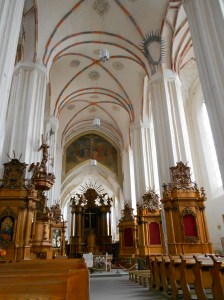
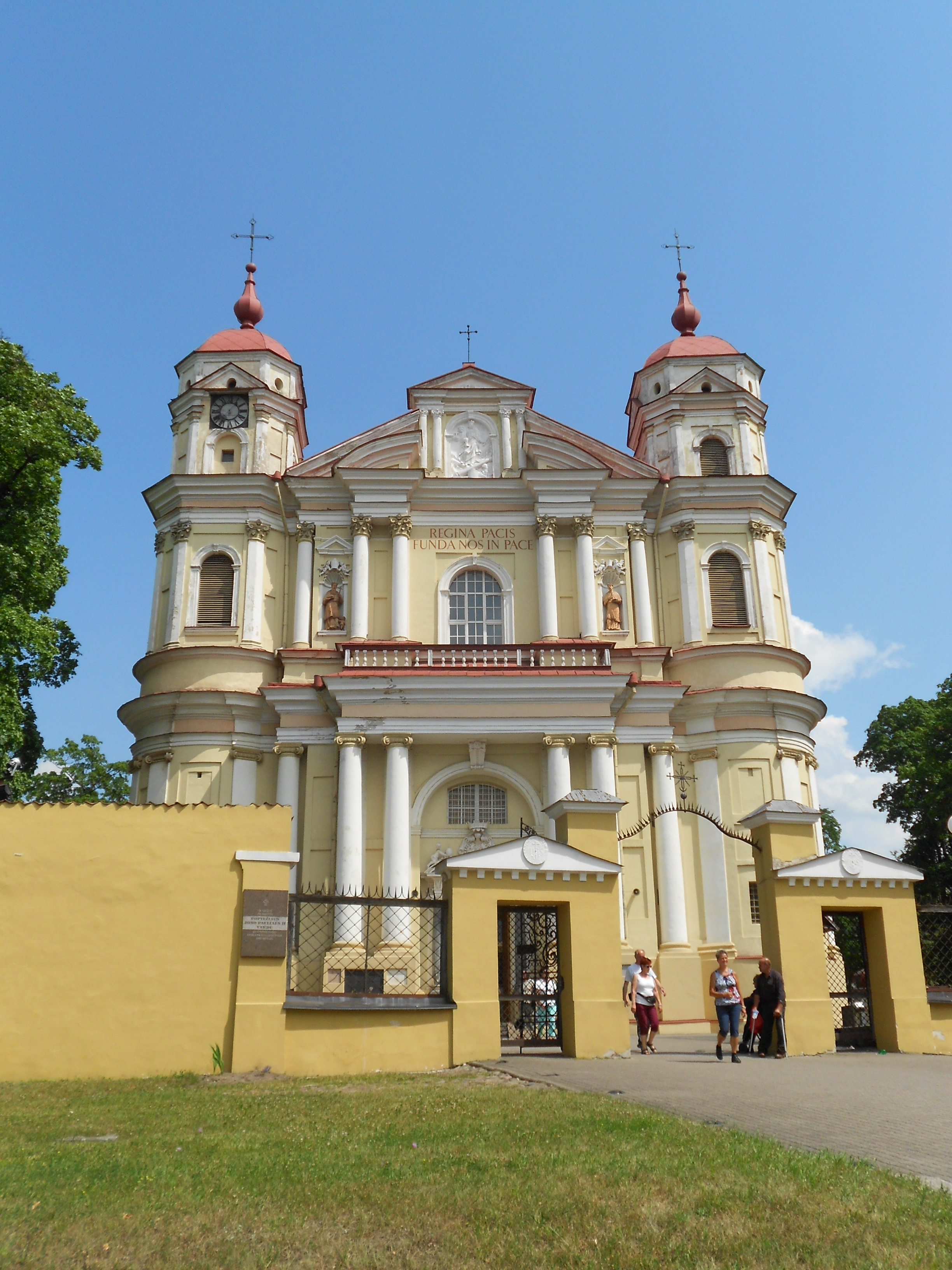
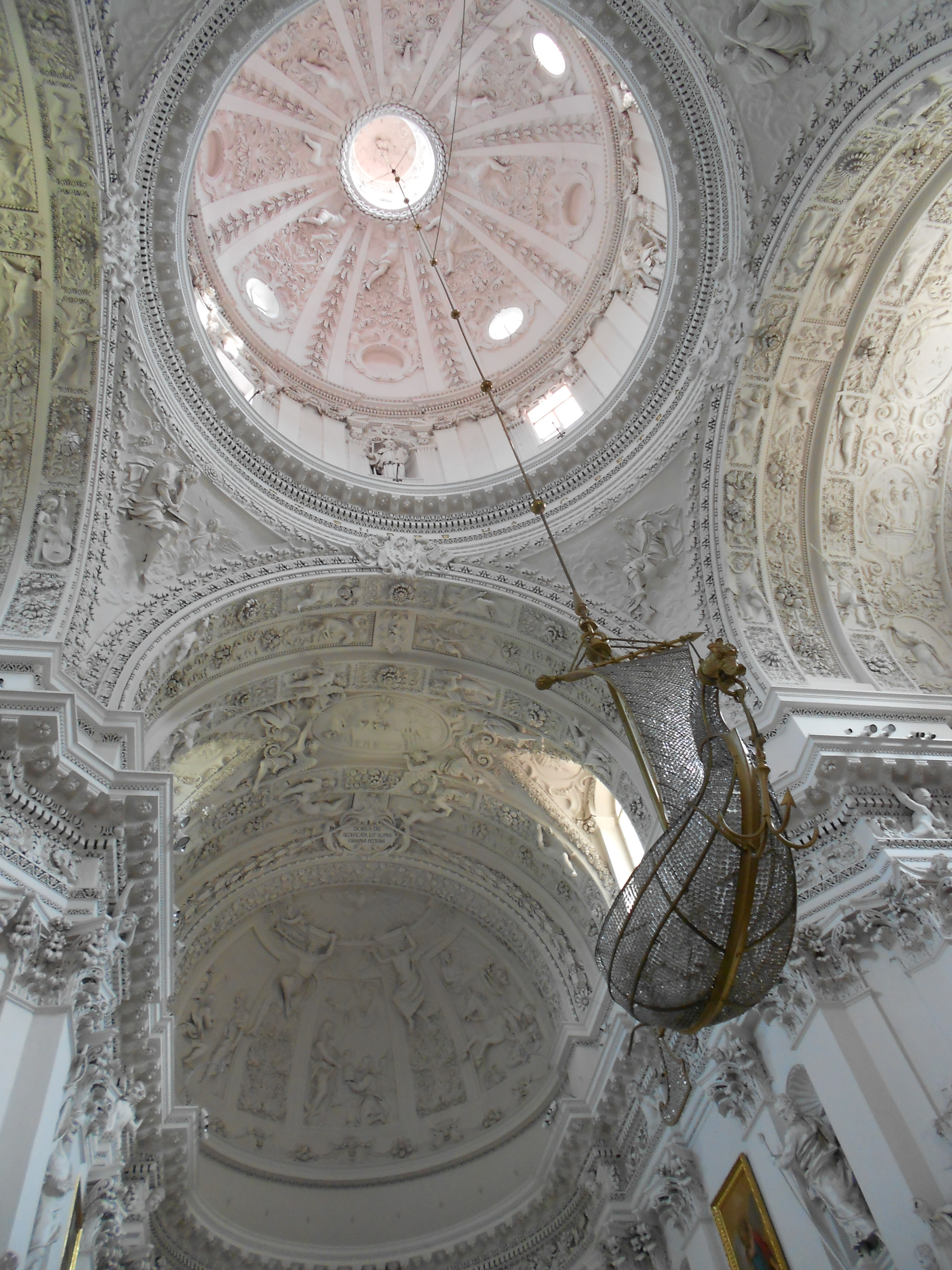
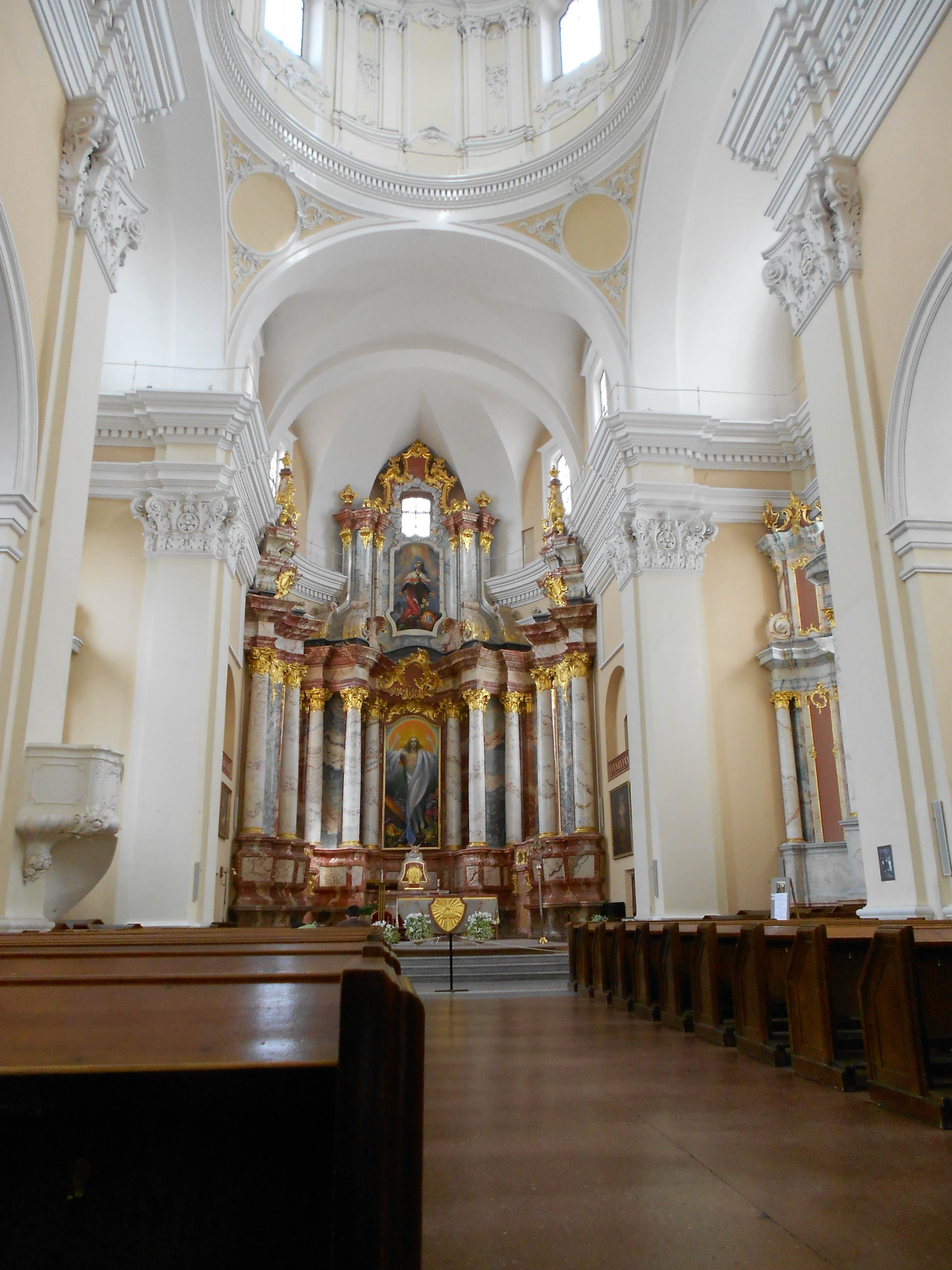
Time  to continue wandering around Vilnius. During my “marathon” on the first day I managed to see quite a lot. Although a non-believer, always with great pleasure I visit churches, what attracts and captivates me is the peace and tranquility prevailing inside. The first sight was the Basilica of St. Peter and Paul in Antakalnis (Vilnius district). The first wooden church on the site was built during the reign of Wladyslaw Jagiello, was burned at the end of the sixteenth century and later rebuilt lasted only until 1655 when it was again destroyed, this time by the Russians. The building in its present form was started in 1668 and completed in 1684, and was founded by Lithuanian hetman MichaÅ‚ Kazimierz Pac. The curiosities worth mentioning are the crystal chandelier in the shape of a boat (a reminder of the sinking of the transport of the main altar with the crystal columns ordered by Pac in Italy) and placed somewhere close to the entrance a large Lithuanian drum (litaur) brought by hetman Pac after the battle of Chocim in 1673 (unfortunately I did not see this as I did not know during my visit about it and I certainly would find a way to see it). The interior is really impressive but I also recommend a walk around the basilica, because there are plenty of Polish traces out there (as in entire Vilnius).

St. Peter and St. Paul's Church

St. Peter and St. Paul’s Church

The interior of the basilica with the boat-shaped chandelier
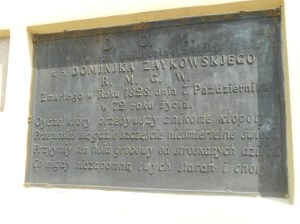
The interior of the basilica with the boat-shaped chandelier

Polish trace on the church's wall

Polish trace on the church’s wall

The next stop was the Adam Mickiewicz Museum, located in the house where our poet lived and worked. I was able to get to the museum in front of a large Polish tour, with which I then “raced” to next sights 🙂  Further proof that you can organize everything yourself and see exactly the same things as on organized trip, without having to be rushed from place to place. But everyone explores how he/she wants.

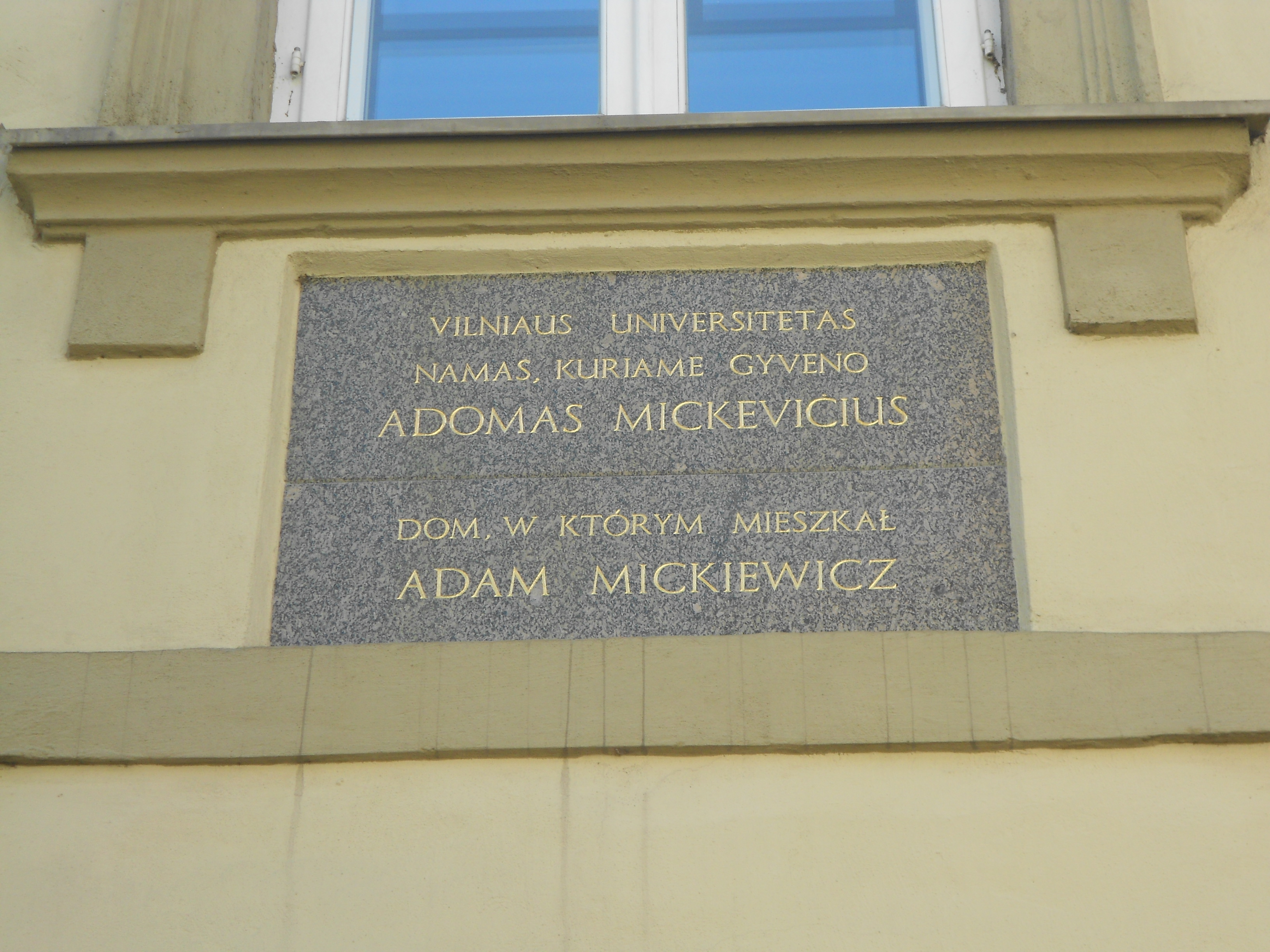
Plaque above the entrance to the Museum

Plaque above the entrance to the Museum

Gentlemen at the Museum (with a lovely Vilnius accent) asked me if I’m alone (I think groups are more common), to which I replied, yes, but that I do not lose hope 🙂 and then they warned me that if I chose Lithuanian girl, I have to take a skinny one, because, according to the Lithuanian custom, the bride must be carried across the bridge (as indeed I saw near the castle in Kaunas). While visiting museum at the same time as Polish trip, I was listening to their guide, telling various tidbits of life of our poet (in this very house he wrote “Grazyna”). I highly recommend the museum, because admission is not expensive, and you can learn something new. Museum is not very big, so you won’t be bored.

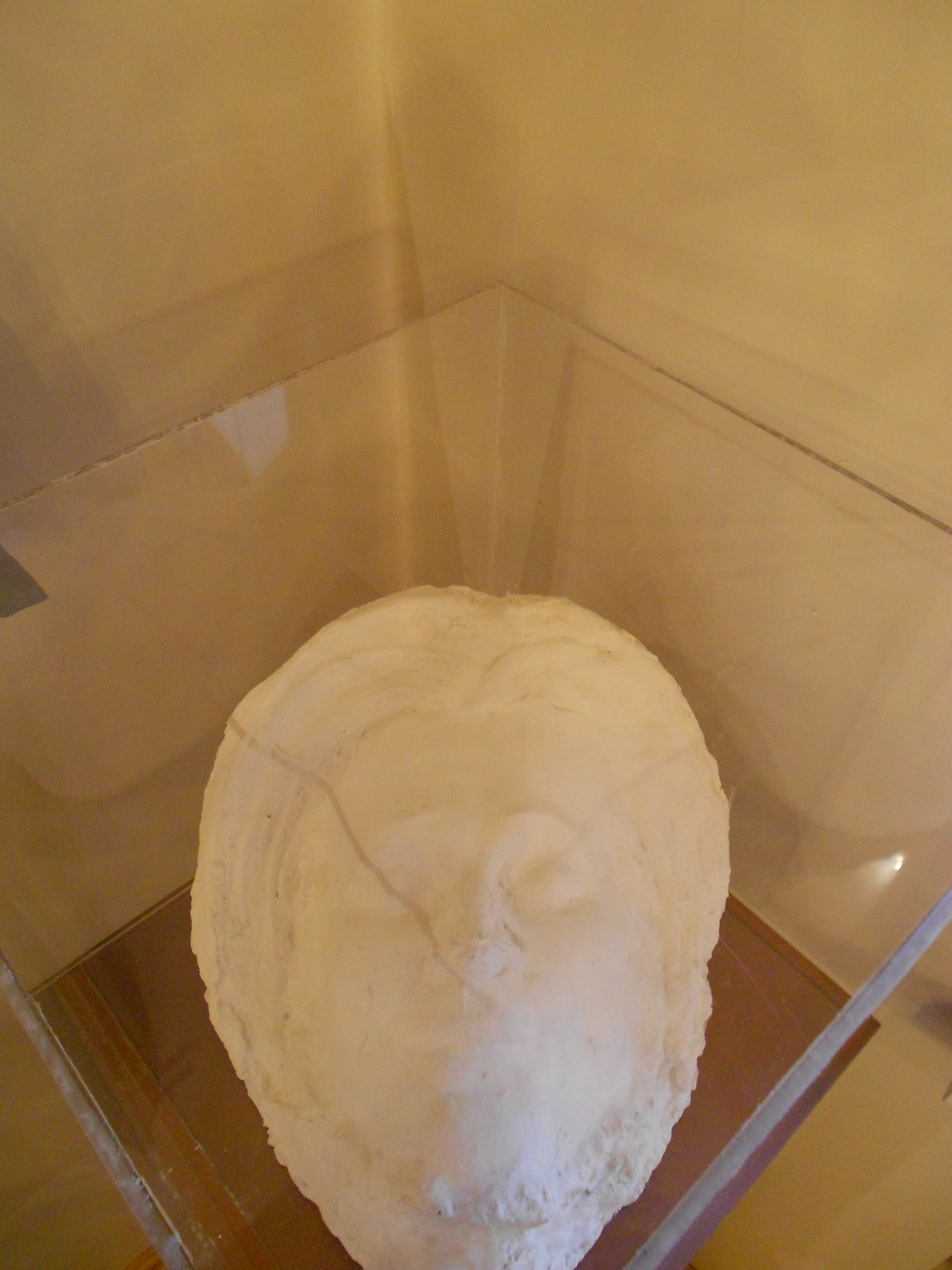
Adam Mickiewicz's death mask

Adam Mickiewicz’s death mask

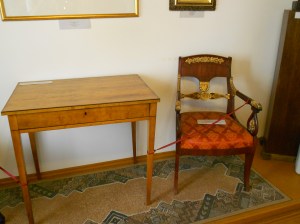
At this desk Mickiewicz created in Vilnius
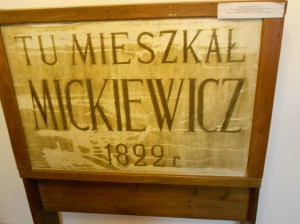
At this desk Mickiewicz created in Vilnius

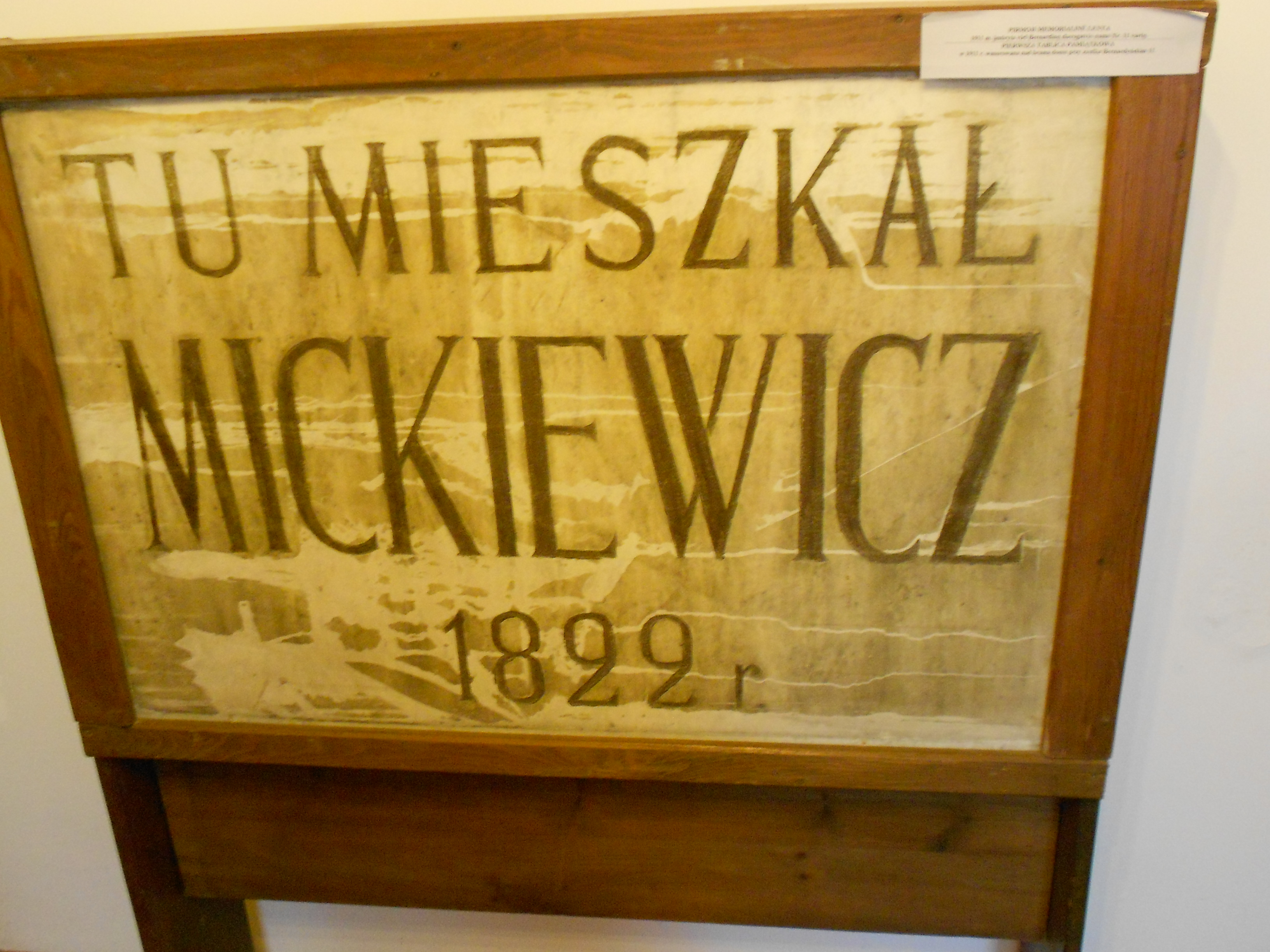
A museum board from the beginning of twentieth century

A museum board from the beginning of twentieth century

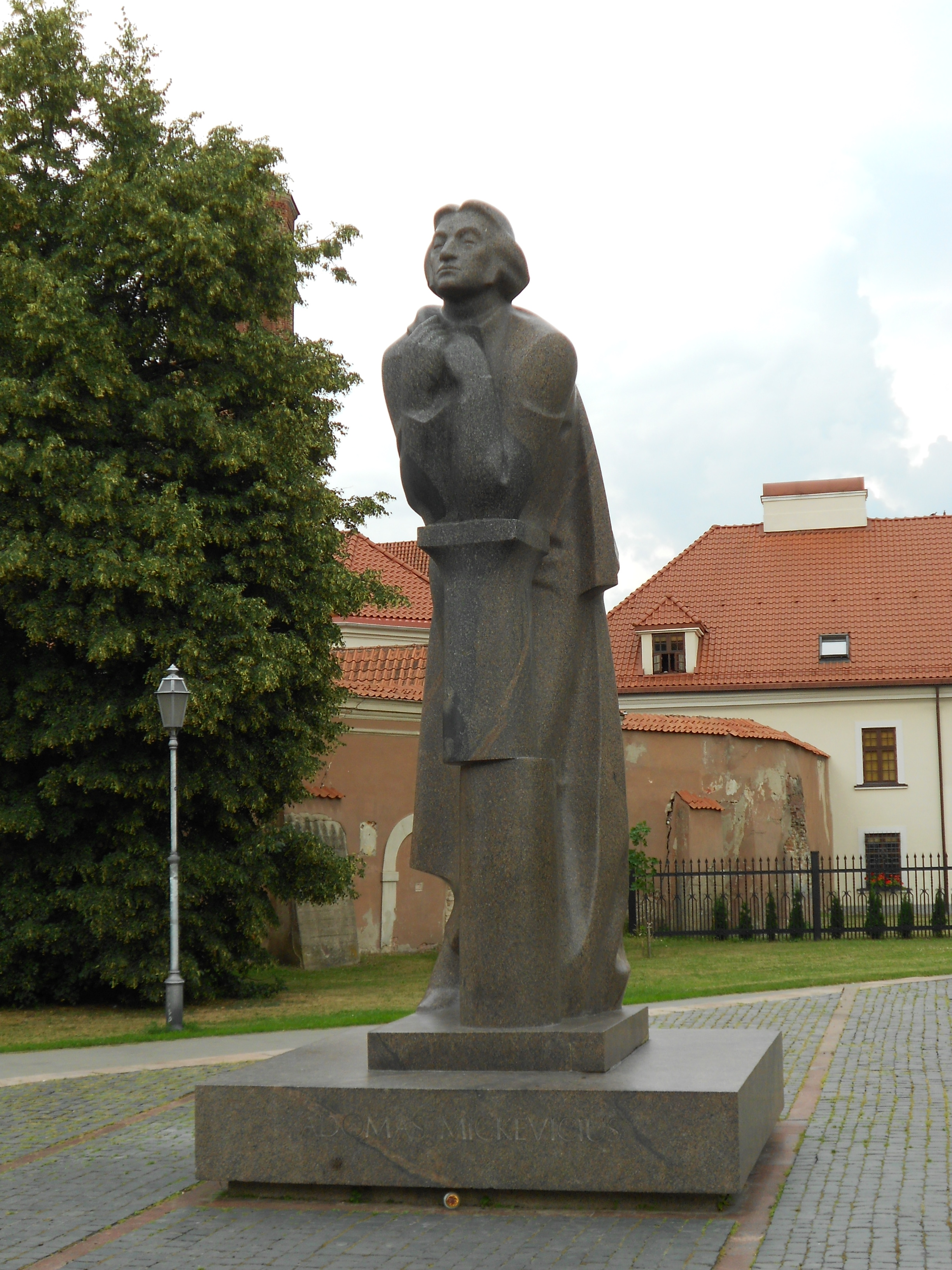
On the way to the image of Our Lady of the Gate of Dawn I visited beautiful St. Anna’s Church. Napoleon liked this church so much that he wished he could move it to Paris. Founded by Alexander Jagiellonczyk in the late fifteenth century as the Bernardine monastery chapel, the church was rebuilt several times after fires. Beautiful interior stopped me for a while (until the appearance of the Polish tour). Right next to the church is a monument of Adam Mickiewicz.
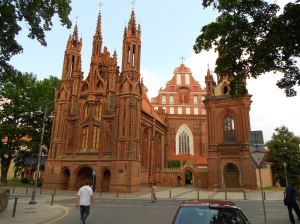
St. Anne's church (left) and behind the St. Francis and St. Bernard's church.

St. Anne’s Church (left) and behind the St. Francis and St. Bernard’s Church.

St. Anne's church inside

St. Anne’s Church inside

St. Francis and St. Bernard's church inside

St. Francis and St. Bernard’s Church inside
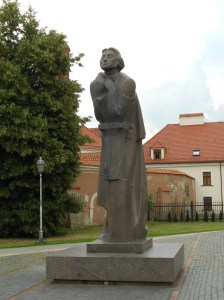
Adam Mickiewicz monument

Adam Mickiewicz monument

Finally it was time for the Gate of Dawn. Madame Wala from Sikorski Museum keeps saying that she prays only to the Virgin of Gate of Dawn and I had a strange feeling that Lady of the Gate of Dawn is closer to the people than the one from Czestochowa. There are no wild crowds like in Czestochowa, people passing by kneel and make the sign of the cross. You can approach the image at a very close distance, I felt a little intimidated standing next to it, but the moment of reflection was ruined by another tour wearing sandals and socks…

The Gate of Dawn

The Gate of Dawn

Painting of Our Lady of the Gate of Dawn

Image of Our Lady of the Gate of Dawn

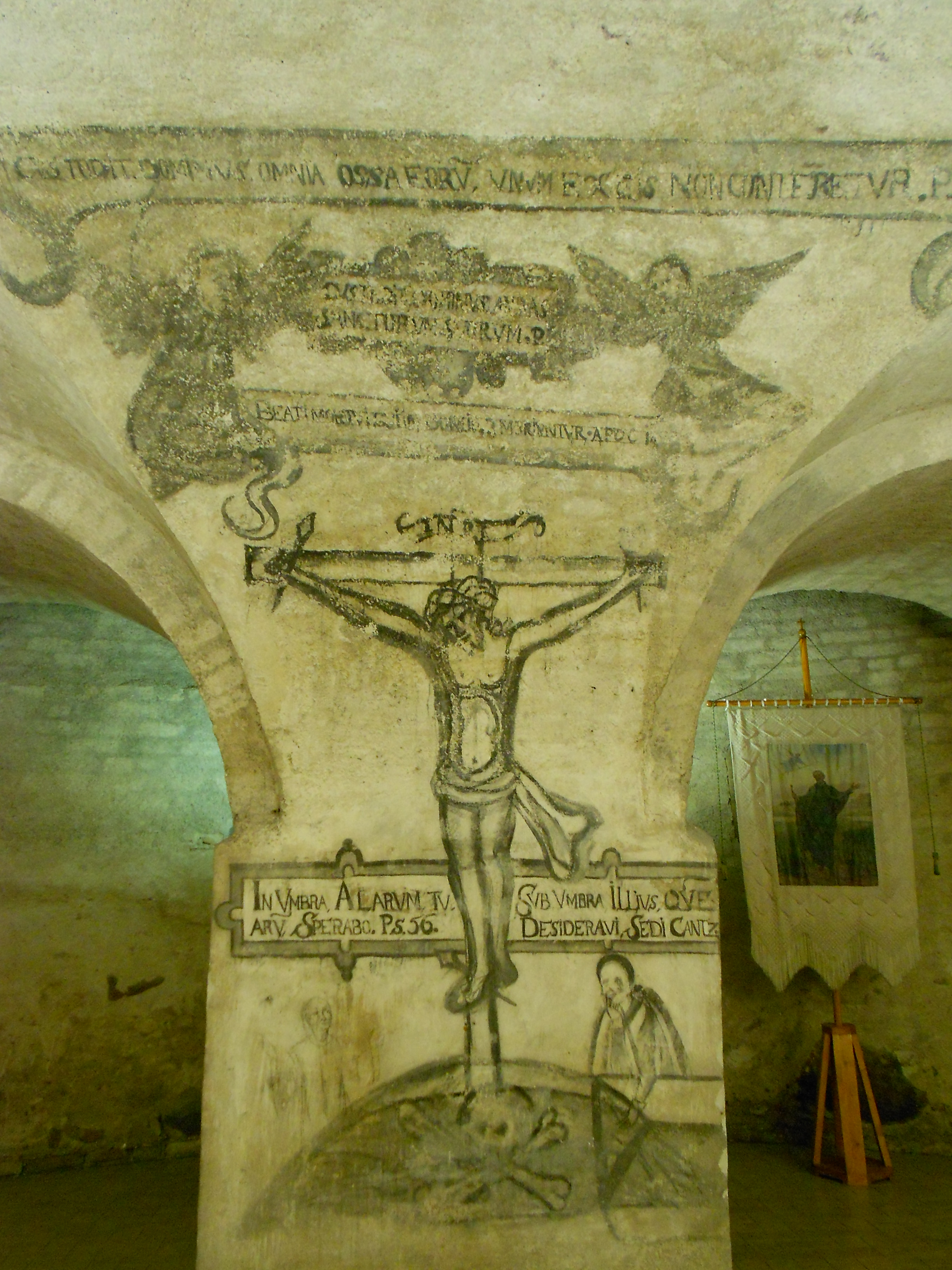
A short walk away from the Gate of Dawn is St’ Casimir’s Church. Wonderfully restored facade and rich interior meant that I was distracted for a moment and thought about the power of the old Polish Republic, when the aristocracy had the money and the willingness to fund such masterpieces. The church was built in the first half of the seventeenth century, burned down during the Russian invasion in 1655. The fire destroyed the church twice. Napoleon’s army used it as a granary, and from 1839 until 1917, the church was converted to the Orthodox. Since 1963, there was… a Museum of Atheism (an example of Soviet sense of humor). In 1991 large crypt from the early seventeenth century was discovered under the main altar. You can view the interesting black and dark-blue drawing, forming the crucifixion and resurrection of Jesus, the Virgin Mary and praying monks. Drawings are accompanied by similarly made ​​subtitles in Latin.

St. Casimir's church

St. Casimir’s Church

The interior

The interior

One of the drawings in the crypt

One of the drawings in the crypt

That was the end of my tour, I had to run to meet my CS host. Renata took me to a delicious Lithuanian dinner, mushroom soup served in bread and zeppelins – dumplings filled with meat stuffing with bacon (the name comes from the similarity in appearance to the Zeppelin airships). At the end of the day, after a delicious unpasteurized beer, Renata showed me the Presidential Palace, from a less popular among tourists side.

Presidential Palace from the back

Presidential Palace from the back

It was a very intense day, I did 25 kilometers on foot and legs almost refused to work at the end. Another episode of Vilnius escapades soon.

Bibliography:

http://en.wikipedia.org/wiki/St._Anne’s_Church,_Vilnius

http://en.wikipedia.org/wiki/St._Peter_and_St._Paul’s_Church,_Vilnius

Categories: RTW trip | Tags: , , , , , , , , , , , | 5 Comments

Vilnius stories – part 1

Today, the first entry from Vilnius – I say first, because it will be more 🙂

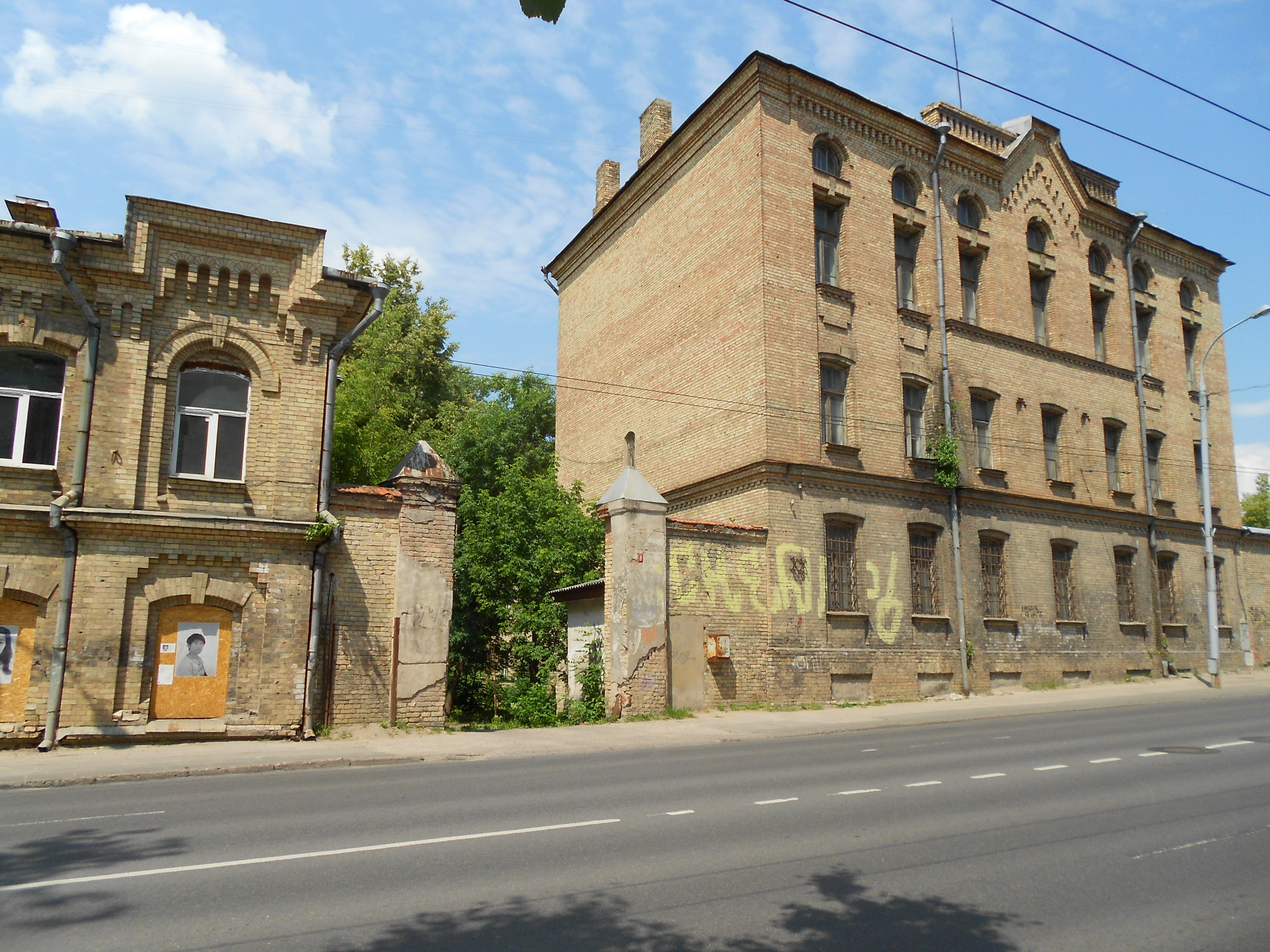
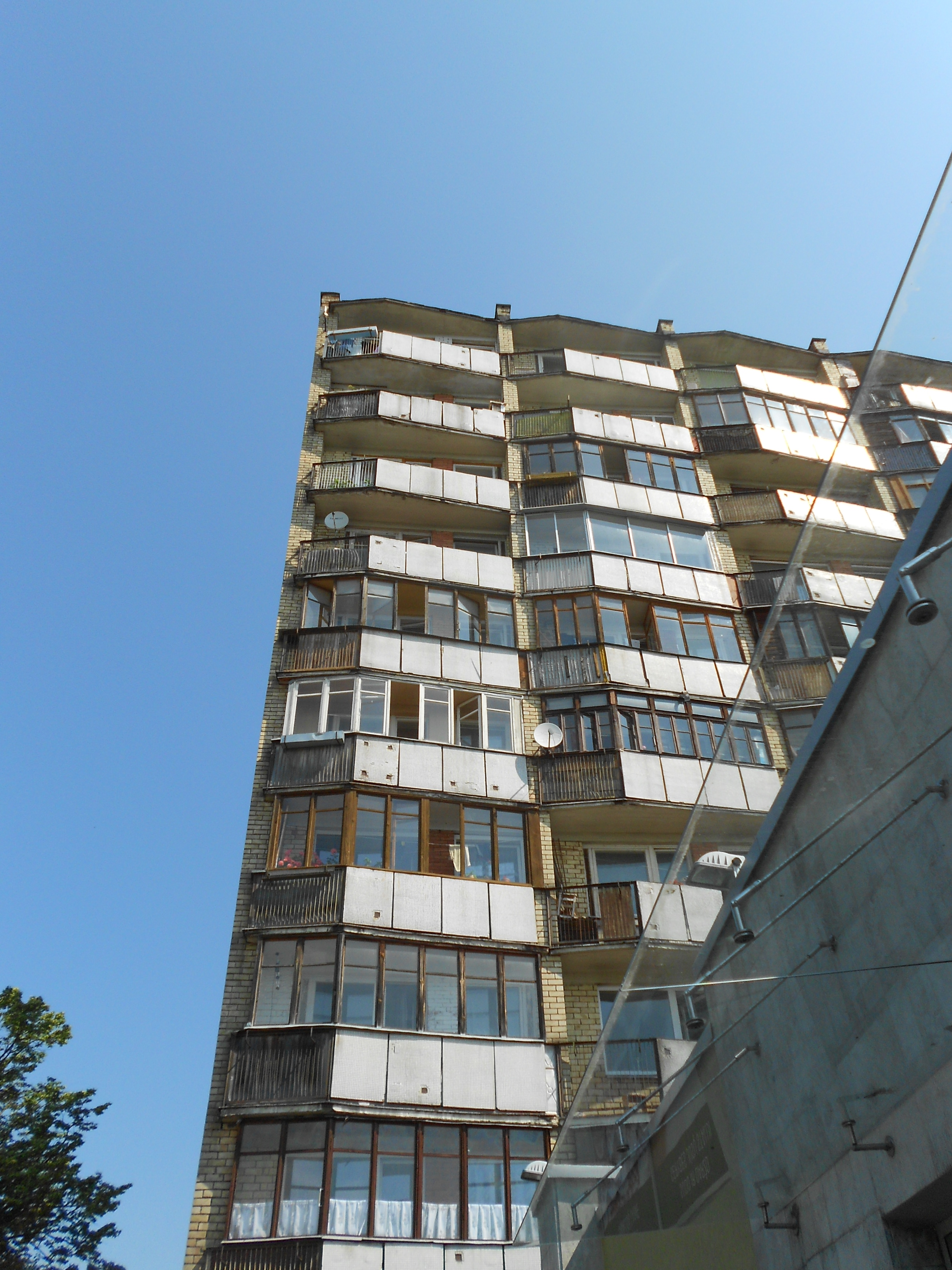
I stayed at Renata’s from Couchsurfing. She picked me up in the evening from the airport (in neighbourhood of which located is Gypsy camp – apparently the local place to buy various narcotic substances 🙂 ) and went to her apartment. Walking through the backyards I realized that I smile and I came to the conclusion that the backyards look very familiar – they are surrounded by ugly blocks – gems of Soviet architecture. Probably our architects were given projects from Russia at the time 🙂 There is, however, one major difference between the blocks in Poland and Lithuania – Polish ones are insulated, painted, very nicely presented in a word, and Lithuanian? Almost ruins – have not seen any older block (built more than 20 years ago) in Vilnius and Kaunas, which would not be shabby, with balconies threatening to fall down and bury passers-by under.

A small sample of the Lithuanian construction

A small sample of the Lithuanian construction

My main goal was to contact Ms Halina Jotkiałło (starts out as a story of espionage) as I had something for her from Ms Wala (with whom I do Fridays at the Sikorski Museum). The two ladies met in London when Ms Halina and her group came from Vilnius with shows. Ms Halina lives at some distance from the centre, so I decided to walk along the Vilnia River as I wanted to see that mysterious Vilnius with my own eyes (that day I did some 25km on foot, I do not need to tell you my legs hurt “a little bit” the next day 🙂 ).

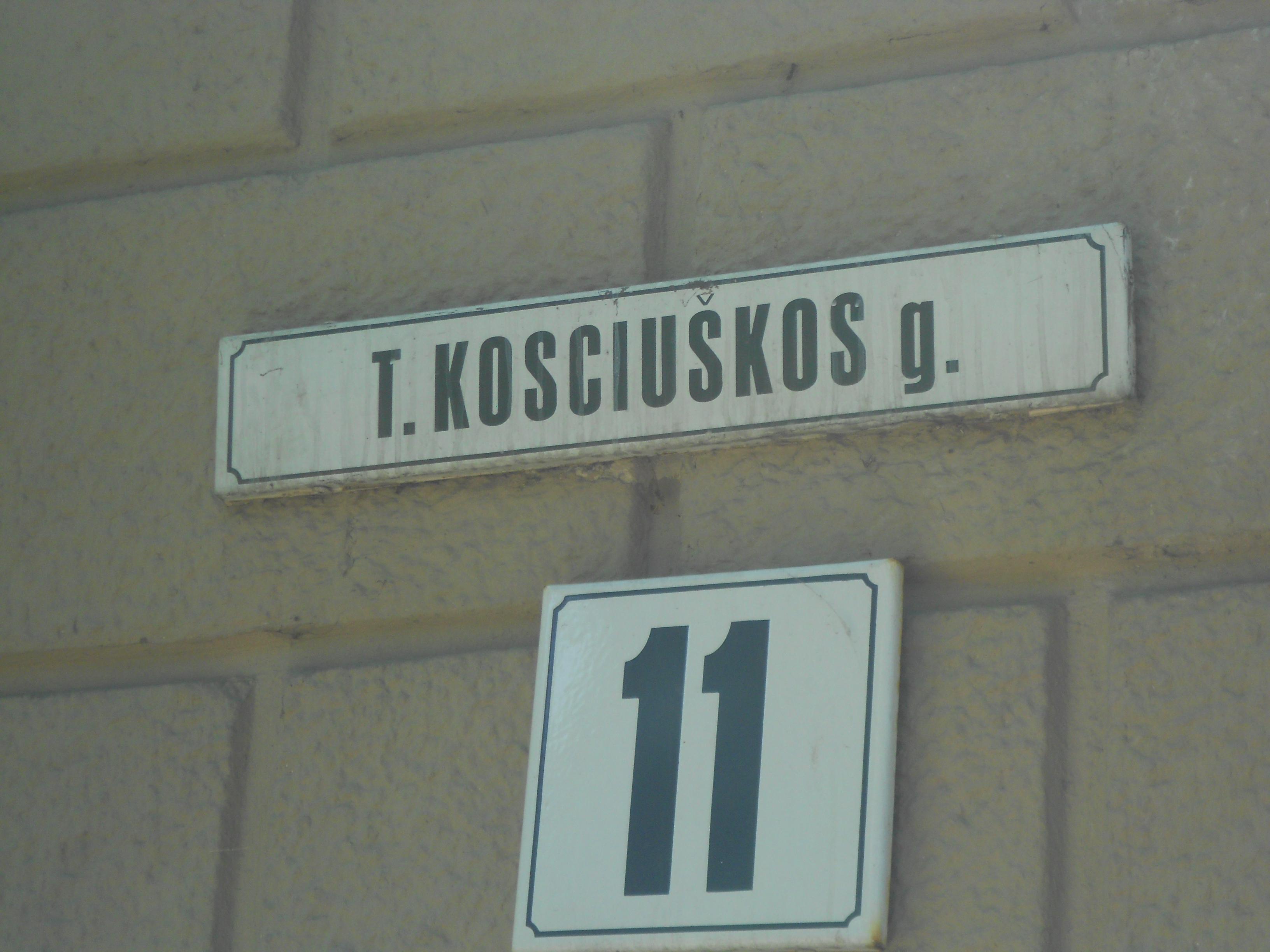
And another one...

And another one…

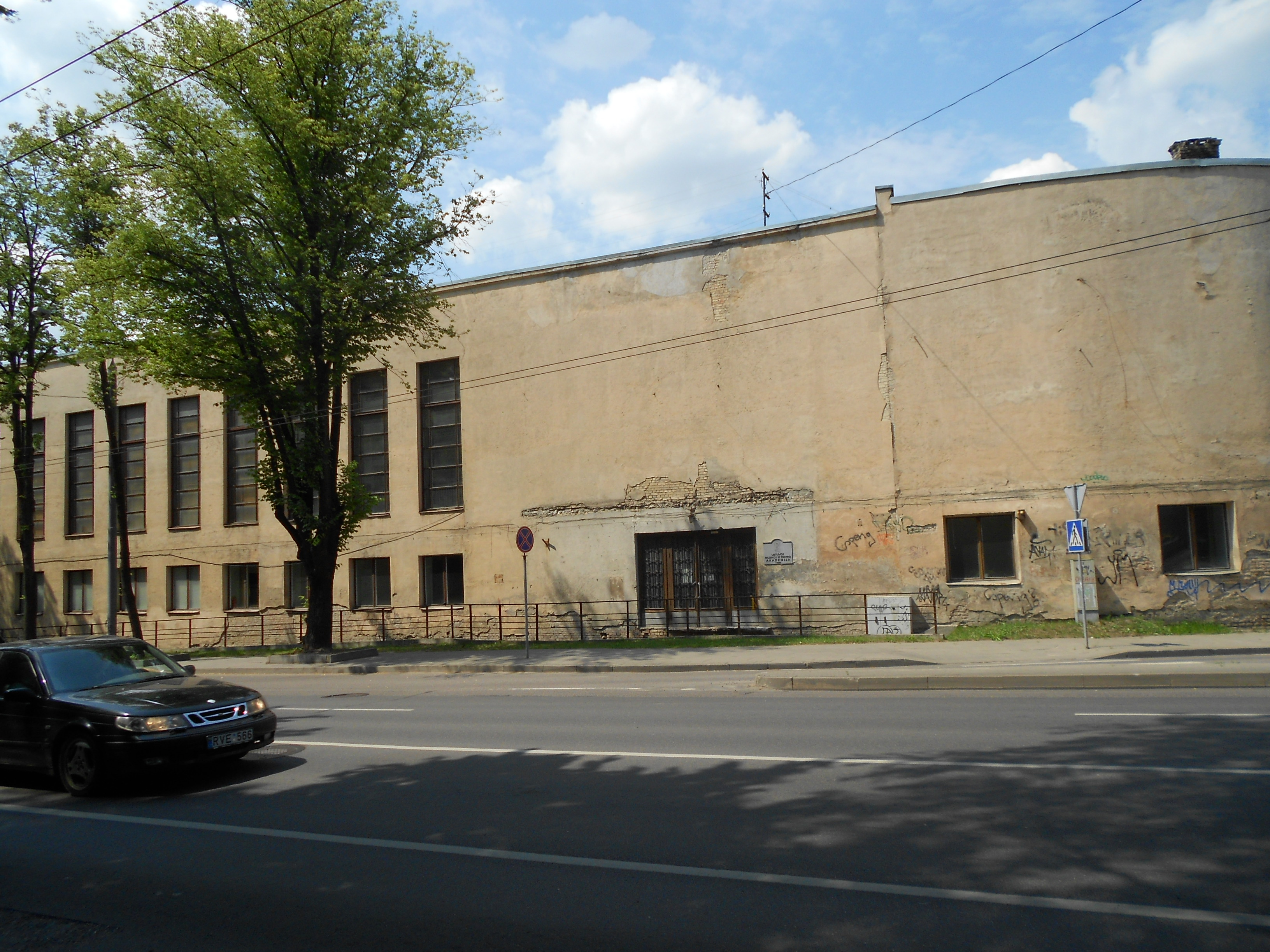
I hope that the level of music education in Lithuania looks better than the building of the Academy of Music...

I hope that the level of music education in Lithuania looks better than the building of the Academy of Music…

I already described above my aesthetic experience (or lack of them) at the sight of residential buildings in Lithuania, so I will not repeat myself. I heard before leaving from a few people, that Vilnius is beautiful and yes, the old town is beautiful, but go outside the old town and it’s different world. One can see it’s a poor country.

A Polish trace ;)

A Polish trace 😉

In the foreground is the former employer of Ms Halina, but she also wrote for other newspapers

In the foreground is the former employer of Ms Halina, but she also wrote for other newspapers

But back to Ms Halina – she is a retired Polish journalist (among other things she worked for “Courier Vilnius”, previously called “Red Flag”) who spent her entire life in Vilnius. Her husband, George (Jerzy) SurwiÅ‚o was a very respected journalist, writer and activist for the Polish culture. Her occupation and functions performed by her husband meant that Ms Halina was sometimes invited to various events where she met many celebrities and politicians. They were among others Richard (Ryszard) Kaczorowki (the last President of Poland in Exile), President Kaczynski and his wife and George (Jerzy) Waldorf. There’s an interesting story regarding President KaczyÅ„ski. In 2005, during his visit President Kwasniewski and President Valdas Adamkus unveiled at the entrance to the Bernardine Cemetery in Vilnius a plaque advising that the work is carried out under the aegis of the Foundation of Adam Mickiewicz, under the patronage of the Presidents of Lithuania and Poland (though apparently Lithuanians didn’t give too much). Well, in the course of his presidency, when President Kaczynski visited Vilnius, he said that if the plaque is not removed he won’t visit the cemetery and will withdraw all financial support. The result is a new plaque, picture of which you can admire below. And no, it is not my goal to denigrate the late President Kaczynski, I quoted the story, because we spent a lot of time talking about the cemetery (Ms Halina also met the late Andrew (Andrzej) Przewoźnik, the then secretary of the Council for the Protection of Struggle and Martyrdom, who is largely responsible for the restoration of the Bernardine Cemetery and many others).

The new plaque at the entrance to the Bernardine Cemetery

The new plaque at the entrance to the Bernardine Cemetery

The afternoon passed pleasantly and quickly, with wine and conversation. I picked up a few words in Polish spoken in Vilnius which is totally different from Polish I speak. Listening to Ms Halina’s stories of the olden times and Poles, it felt as if I was there, transferred in time. I have to admit that the life of Poles in Lithuania is a totally different story. They’re Polish too but they had lived in the Soviet Union. Ms Halina talked about how the books were smuggled from Poland, because one could not get anything in Lithuania. Smuggled books were later read in turn by the intelligentsia. So maybe life was not so hard in communistic Poland – certainly Poles in Lithuania struggled more to remain Polish. The beautiful thing is that Ms Halina still feels Polish, loves Poland and is interested in all aspects, including the rising Polish tennis stars. You can meet Ms Halina and other ladies from Vilnius on 1st and 2nd November at the PowÄ…zki cemetery collecting money to keep Polish cemeteries in Vilnius. Dear Varsovians – be generous!

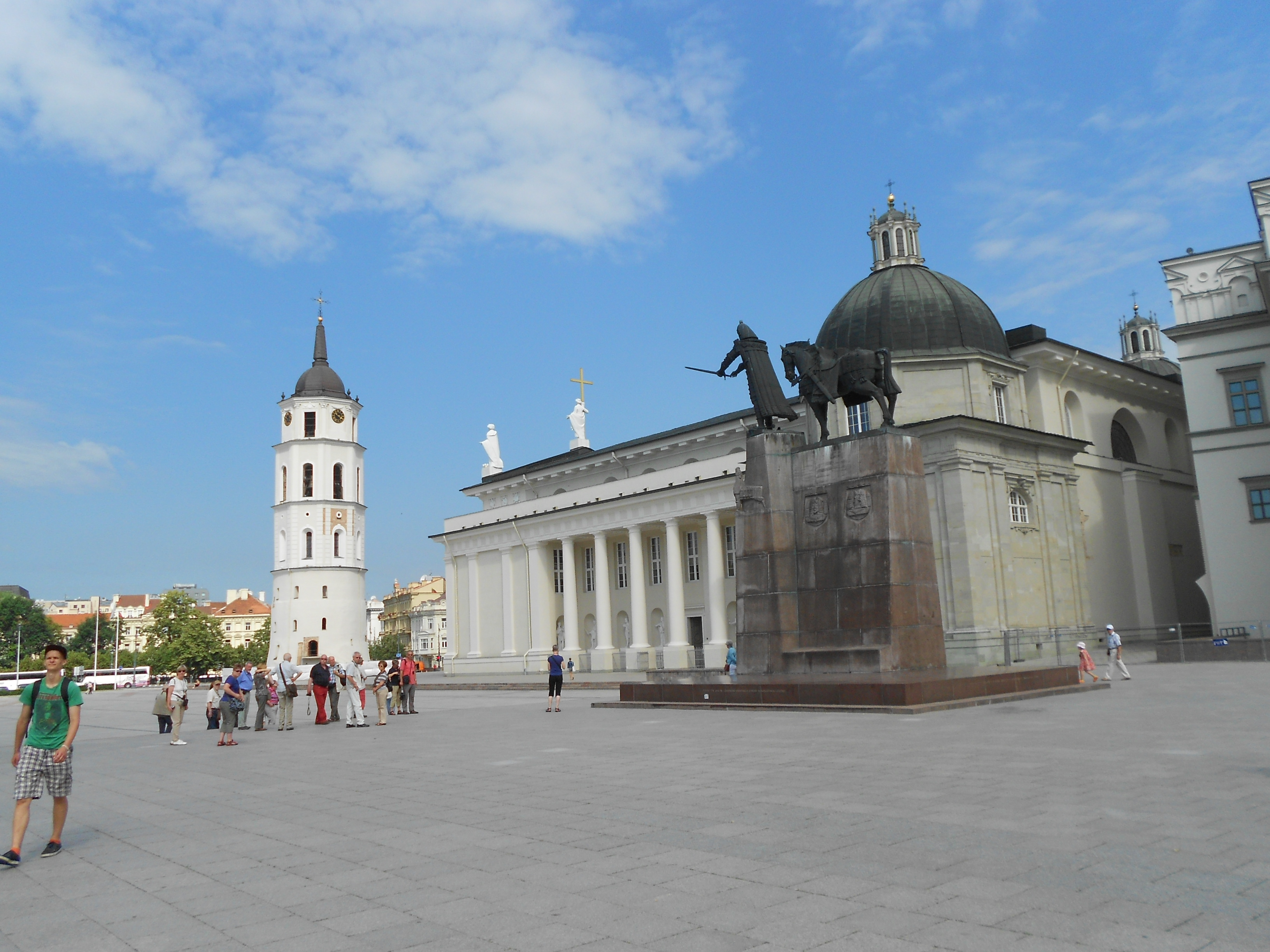
Let me finish with something pretty - cathedral with the statue of Gediminas

Let me finish with something pretty – cathedral with the statue of Gediminas

Categories: RTW trip | Tags: , , , , , , | Leave a comment

Blog at WordPress.com.